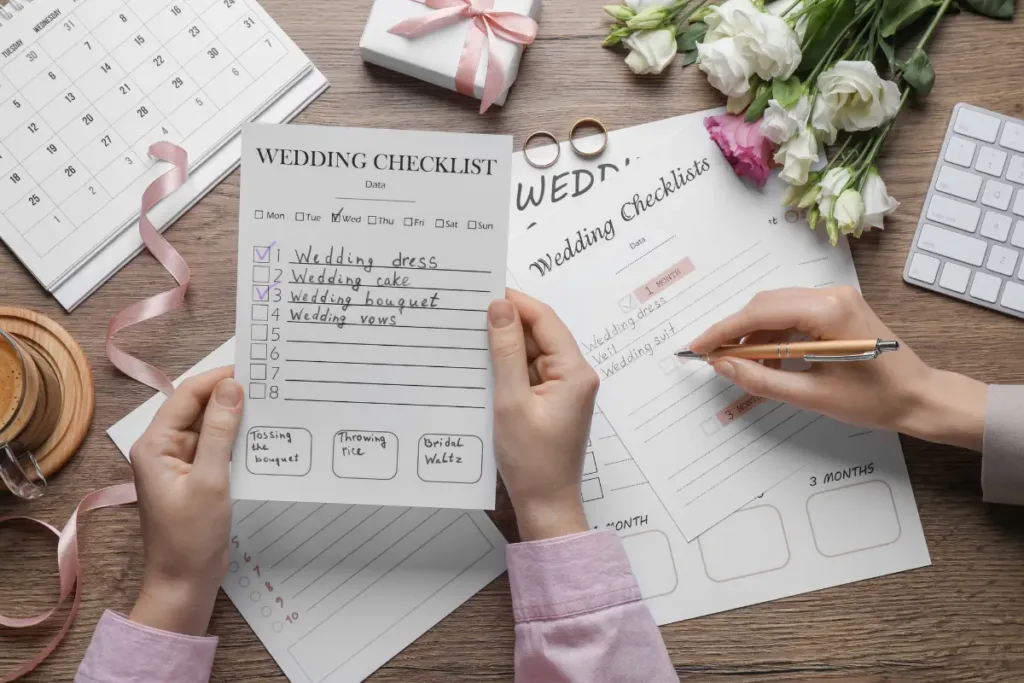
A wedding planning checklist is a step-by-step guide that outlines every major decision required to plan a wedding in the right order. It should cover the essentials: budget planning, guest count, venue selection, vendor booking, and timeline management, so nothing important is overlooked or rushed.
Planning often feels stressful, not because it’s complicated, but because decisions happen out of sequence. A well-structured checklist keeps the process organized by breaking planning into clear phases, helping couples focus on what matters at each stage. When tasks are handled in the right order, planning feels structured, realistic, and far easier to manage.
How to Start Planning a Wedding With Clarity
The first step in planning a wedding is not booking vendors or browsing inspiration boards. It’s creating clarity. Without it, couples often make decisions they later revisit, which leads to wasted time and frustration.
Start by defining what kind of experience you want to create. This does not mean choosing colors or themes yet. It means understanding the overall feel of the day. Some couples want a social, relaxed celebration. Others imagine a formal evening with structure and tradition. Knowing this early helps guide every choice that follows.
Budget comes next. A budget is not about limiting options; it’s about directing them. You don’t need exact numbers, but you should agree on a comfortable range and decide what matters most. This prevents falling in love with venues or vendors that don’t align with reality.
Guest count follows naturally. Even an estimated number is useful. Guest count affects venue size, layout, catering costs, and timeline planning.
At this stage, couples should focus on:
- Aligning priorities as a couple
- Establishing a realistic budget range
- Estimating guest count to guide venue research
This is how to start planning a wedding without creating extra work later.
How Long Does It Take to Plan a Wedding?
One of the most common questions couples ask is how long does it take to plan a wedding. The answer depends on flexibility, availability, and how quickly decisions are made, not on how elaborate the wedding is.
Most weddings fall into one of these timelines:
- 12 to 18 months, which allows for more venue and vendor options
- 9 to 12 months, the most common planning window
- 6 months or less, best for couples who are flexible with dates and details
Several factors influence planning length. Venue availability is often the biggest one, especially for popular seasons and weekends. Guest count also plays a role, since larger weddings require more coordination. Understanding your timeline early helps you pace decisions and avoid rushed planning.

The Wedding Planning Checklist by Phase
This wedding planning checklist works best when you understand the purpose of each phase. Every stage builds on the one before it.
Laying the Foundation (12+ Months Before)
This phase sets the direction for the entire planning process. Decisions made here affect budget, timeline flexibility, and logistics later.
The most important task during this stage is choosing a wedding venue. The venue determines guest capacity, layout options, timing structure, and vendor coordination. Touring venues early allows couples to understand what fits their needs and what doesn’t.
During this phase, couples should:
- Finalize a working budget
- Create a preliminary guest list
- Research and tour venues
- Select a wedding date or date range
- Decide how much planning support is needed
Once the venue is booked, planning becomes structured instead of open-ended.
Securing Key Vendors (9–12 Months Before)
With the venue confirmed, planning becomes more focused. This stage is about securing vendors whose availability depends on your date.
Photography, videography, and entertainment professionals often book far in advance. Choosing these vendors early ensures you have a team that aligns with your expectations and timeline.
Couples typically focus on:
- Booking photography and videography
- Securing catering if not venue-provided
- Reserving entertainment or a DJ
- Choosing the wedding party
- Beginning attire research
These vendors form the backbone of the wedding day experience.
Design and Guest Communication (6–9 Months Before)
At this point, planning becomes more tangible. Guests begin receiving information, and design ideas start to take shape.
Save-the-dates are sent, attire is ordered, and décor planning begins. Decisions made here affect layout flow, timing, and guest experience, not just appearance.
Key priorities during this phase include:
- Ordering wedding attire with time for fittings
- Sending save-the-dates
- Outlining ceremony structure
- Beginning décor planning based on venue layout
- Confirming rental needs
This phase bridges logistics and personal style.
Refinement and Coordination (4–6 Months Before)
By now, most major decisions are made. This phase focuses on refinement and alignment. Menus are finalized, timelines are drafted, and vendor communication becomes more frequent. The goal is to make sure everyone involved understands the plan.
During this phase, couples usually:
- Finalize food and beverage selections
- Book hair and makeup services
- Review vendor agreements
- Build a detailed wedding day timeline
Clear coordination here prevents confusion later.
Confirmation and Preparation (2–3 Months Before)
This stage is about confirming details and preparing for execution. RSVPs shape final numbers, layouts are finalized, and schedules are shared.
Focus areas include:
- Tracking guest responses
- Creating seating plans
- Scheduling final fittings
- Confirming vendor arrival times
Strong organization during this phase keeps the final weeks calm.
Final Review and Wedding Week
In the final month, planning gives way to preparation. Walk-throughs, confirmations, and document reviews ensure everything is aligned.
During the final weeks:
- Complete the final venue walk-through
- Confirm all vendors and timelines
- Prepare marriage license paperwork
- Pack essentials and rest
At this point, your role shifts from planner to participant.

Why Choosing a Wedding Venue Early Matters
Choosing a wedding venue early simplifies nearly every other planning decision. Once the venue is set, details like guest count, layout flow, timing, décor direction, and vendor coordination stop being abstract and start making sense. Instead of guessing, couples can plan around a real space with clear parameters.
When touring venues, it’s important to look beyond how the room looks in photos. Ask practical questions about what’s included, how flexible the setup is, and how the venue supports the overall flow of the day. This is where all-inclusive venues can make a noticeable difference in how smoothly planning moves forward.
For example, venues like Imperial Event Venue offer all-inclusive wedding packages that help couples check off major parts of their wedding planning checklist in one place. These packages often include:
- The event space with reception setup
- In-house catering and menu coordination
- Decor elements and room styling
- On-site coordination to manage timing and transitions
Having these elements handled together reduces the number of separate vendors couples need to research and manage early on. It also makes the wedding planning checklist easier to follow, since fewer decisions are left open-ended.
A venue that aligns with your guest count, priorities, and planning style supports the entire checklist and keeps the process organized from the start.
Wedding Planning Tips That Keep Everything on Track
Practical wedding planning tips focus on process, not perfection. Organization helps planning move forward without pressure.
Helpful habits include:
- Making decisions in sequence
- Using shared documents for timelines and budgets
- Allowing buffer time between milestones
- Prioritizing guest comfort and flow
These habits keep planning steady and controlled.
Bringing the Wedding Planning Checklist Together
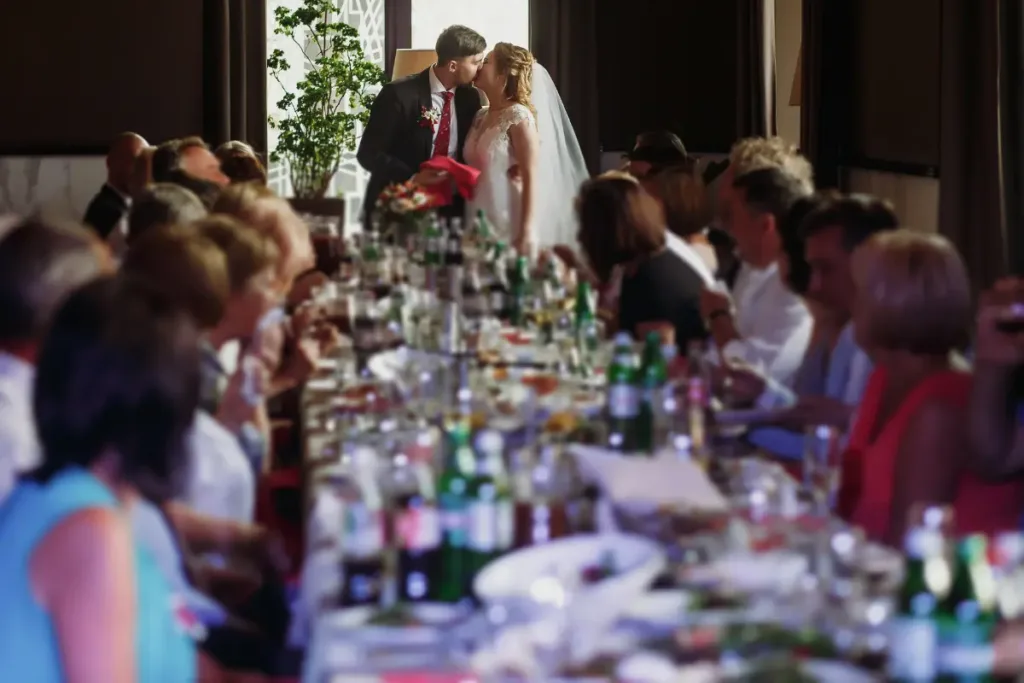
By the time couples reach the end of this wedding planning checklist, the process should feel clearer rather than overwhelming. A checklist isn’t meant to limit creativity. It exists to give structure to big decisions, so nothing feels rushed or out of place. When planning follows the right order, everything becomes easier to manage.
Each phase builds on the one before it. Early clarity around budget, guest count, and venue selection prevents last-minute compromises later. Securing vendors on time protects availability, while leaving room for refinement keeps the final weeks focused instead of chaotic. When couples understand why each step exists, they stop second-guessing themselves and move forward with confidence.
For couples who want that structure built in from the start, seeing a venue in person can make the checklist feel real. Touring a space like Imperial Event Venue helps you visualize guest flow, layout options, and how an all-inclusive approach can simplify planning. Booking a tour is often the moment when timelines, budgets, and ideas finally come together.
If you’re ready to take the next step, schedule a tour at Imperial Event Venue and see how your wedding planning checklist can turn into a clear, organized plan, one decision at a time.
Frequently Asked Questions – Wedding Planning Checklist
How early should couples book their wedding venue?
Couples should begin venue tours as soon as they have a guest count estimate and budget range. Popular venues often book 12 months or more in advance, especially during peak seasons. Booking early secures your date and allows the rest of the planning process to move forward smoothly.
Should couples finalize the budget before choosing vendors?
Yes. A defined budget helps guide vendor research and prevents wasted time. When couples know their spending range, they can focus on options that align with expectations instead of revisiting decisions later.
Can this checklist work for smaller weddings?
Yes. A wedding planning checklist works for weddings of all sizes. Smaller weddings may move through certain phases faster, but the planning order remains the same.
What if planning falls behind schedule?
If planning slips, refocus on priority decisions. Securing the venue and key vendors should come first. Smaller details can be adjusted later without affecting the overall plan.
Is it possible to plan a wedding in under six months?
Yes, especially for couples who are flexible with dates and vendor options. Shorter timelines work best when expectations are realistic, and decisions are made quickly.