Choosing where to host your wedding or event is one of the biggest decisions you’ll make, and it’s often where planning either becomes manageable or overwhelming. That’s why all-inclusive venues have become such a popular choice. Instead of coordinating multiple vendors across different timelines, couples can plan their event within a single, organized framework.
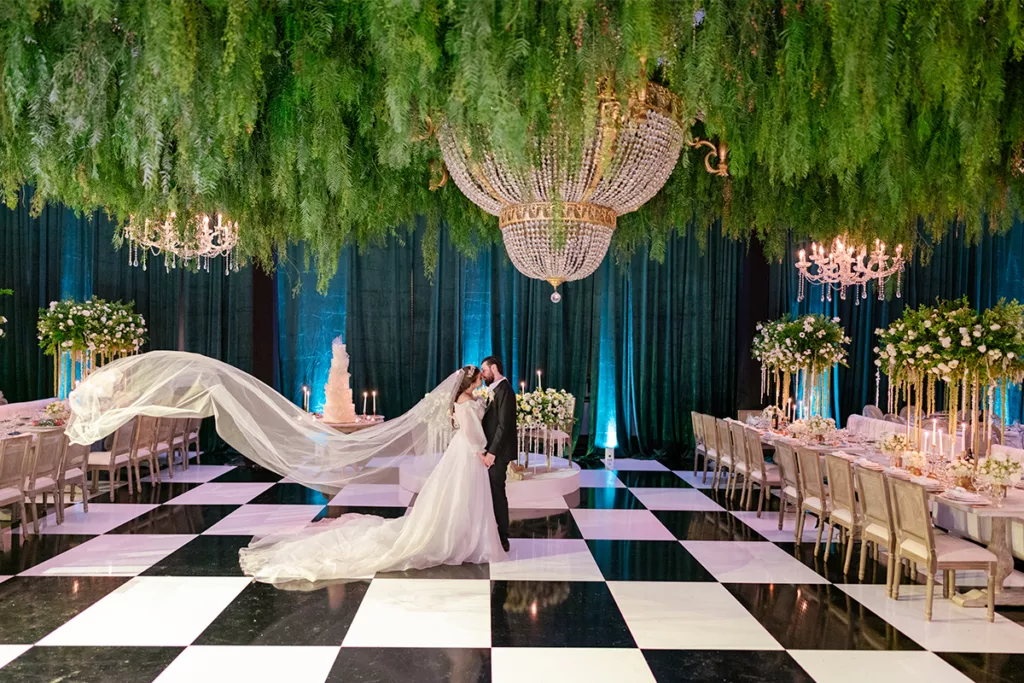
In most cases, all-inclusive event venues include far more than just the space itself. Couples typically receive the venue, tables and chairs, catering or menu coordination, basic décor or lighting elements, and on-site coordination to manage timing and flow. Some all-inclusive venue options may also include staging, dance floors, or private suites, depending on the location. Having these core elements handled together reduces guesswork early in the planning process and helps couples move forward with clearer expectations.
But what does “all-inclusive” actually mean, and how do you know if it’s the right option for you? This guide breaks down what all-inclusive event venues offer, how they differ from traditional spaces, and why many couples see them as a smarter way to plan.
What an All-Inclusive Venue Really Is (and What It Isn’t)
An all-inclusive venue is not just a location bundled with services. It’s a planning model. Instead of building an event piece by piece, couples work within a framework where the most important elements are already aligned.
When people ask what is an all-inclusive wedding venue, they’re usually comparing it to a standard venue rental. A traditional venue gives you the space and little else. An all-inclusive venue gives you a system, one where food service, set up, timing, and coordination are designed to work together.
This distinction matters because it changes how decisions are made. Planning becomes less about assembling vendors and more about shaping the experience.
What’s Typically Included at All-Inclusive Event Venues
While offerings vary by location, all-inclusive event venues usually cover the core components that most weddings and formal events require. These elements are bundled intentionally to reduce gaps in planning and execution.
Most all-inclusive venues include:
- The event space sized for your guest count
- Tables, chairs, and standard room setup
- Catering or menu coordination handled in-house
- Lighting and foundational décor elements
- On-site coordination to manage timing and transitions
Some venues, like Imperial Event Venue, may also include features like staging, dance floors, or private suites, depending on the type of event they host. The key benefit isn’t the list itself; it’s that these pieces are designed to work together without constant oversight from the couple.

How Planning Feels Different at an All-Inclusive Venue
If you’re planning your wedding, for example, understanding what an all-inclusive wedding venue means becomes clearer when you look at the planning experience, not just the services.
With all-inclusive venues, timelines are built around the space. Catering is designed for the room layout. Setup and breakdown are planned in advance by a team that knows the venue inside and out. This reduces friction between vendors and eliminates many last-minute adjustments.
Instead of managing multiple contracts and points of contact, couples work with one primary team. That structure allows planning to move forward in a more controlled, predictable way, especially helpful for larger guest counts or tighter timelines.
Why Couples Choose All-Inclusive Venues (Beyond Convenience)
Couples don’t choose all-inclusive venues just to save time. They choose them to reduce uncertainty.
One advantage is clarity. Costs are easier to understand when services are bundled. Timelines are easier to manage when vendors already work together. Fewer variables mean fewer surprises as the event approaches.
Another advantage is momentum. Decisions happen faster because the framework is already in place. Instead of stalling on logistics, couples can focus on personal touches that make the event feel like theirs.
For many couples, the value lies in consistency, knowing the event will run smoothly without constant oversight.
The Financial Benefits of Choosing an All-Inclusive Venue
Beyond planning convenience, one of the most practical reasons couples choose all-inclusive venues is financial clarity. Wedding budgets often feel unpredictable because costs are spread across multiple vendors, each with separate contracts, fees, and timelines. An all-inclusive venue brings those pieces together, making it easier to understand the true cost of the event earlier in the process.
With bundled services, couples can see how major expenses such as venue, food, staffing, setup, and coordination work together instead of estimating each one separately. This reduces the risk of underbudgeting or discovering unexpected costs later. While the upfront number may look larger at first glance, it often reflects expenses couples would otherwise pay individually.
All-inclusive venues can offer financial advantages such as:
- Fewer separate vendor contracts and deposits to manage
- Bundled pricing that reduces overlapping service fees
- Clearer cost breakdowns early in the planning process
- Less need for last-minute rentals or add-ons
Another financial benefit is efficiency. Because in-house teams already know the space, setup requirements, and timelines, there is less trial and error. That efficiency can reduce overtime charges, rushed changes, or additional staffing costs that sometimes appear when multiple vendors are coordinating for the first time.
For many couples, the real value isn’t just cost savings; it’s cost predictability. Knowing what’s included and how pricing is structured allows couples to make confident decisions without constantly adjusting the budget as plans evolve.

All-Inclusive Venues vs. Blank-Slate Venues: A Real Comparison
Blank-slate venues appeal to couples who want full control. They allow complete customization but require sourcing every vendor independently, coordinating delivery schedules, and managing setup logistics.
By contrast, all-inclusive venues provide structure. Customization still exists, but it happens within an established system. The tradeoff is less coordination work in exchange for guided decision-making.
In practical terms:
- All-inclusive venues reduce vendor management and planning load
- Blank-slate venues offer more flexibility but demand more involvement
Neither option is better; the right choice depends on how much responsibility you want to take on during planning.
All-Inclusive Wedding Venues in Southern California
Demand for all-inclusive wedding venues in Southern California continues to grow, especially for medium to large receptions. With busy schedules and high guest counts, many couples prefer venues that already have experienced teams and established workflows.
Southern California all-inclusive venues are often designed specifically for reception-focused events, with layouts that support dining, entertainment, and guest flow efficiently.
Venues like Imperial Event Venue reflect this approach, offering structured spaces and in-house services that help large events stay organized without requiring couples to manage every detail themselves.
Is an All-Inclusive Venue the Right Choice for You?
An all-inclusive venue is often the right fit for couples who value organization, clarity, and a smoother planning process. It’s especially helpful for events with larger guest counts or limited planning time, where coordination can quickly become complex.
That said, not every couple wants the same level of involvement. Some enjoy managing details and working with multiple vendors, while others prefer having major elements handled within one structured plan. Before deciding, it helps to step back and think about how you want the planning experience to feel.
Couples can gain clarity by asking themselves:
- Do we want planning decisions simplified, or do we enjoy managing details ourselves?
- How comfortable are we coordinating multiple vendors and timelines?
- Are we working with a tight planning window or a flexible one?
- Do we value having costs and services clearly defined early on?
- Would built-in coordination help us feel more organized during planning?
Answering these questions helps determine if an all-inclusive venue supports your priorities or if a more hands-on approach feels like a better fit.
The right venue is ultimately the one that matches your comfort level, planning style, and the kind of experience you want to create for your guests.

Bringing the Decision Into Focus
Choosing all-inclusive venues isn’t about choosing the easiest option; it’s about choosing the planning structure that supports your event best. When core elements are coordinated together, planning feels more intentional, and timelines make sense.
For couples ready to move from research to real planning, touring an all-inclusive venue can quickly bring clarity. Walking through the space and understanding how services, layout, and flow connect often makes it easier to decide if this approach fits your event.
If you’re exploring reception-focused spaces in Southern California, scheduling a tour at Imperial Event Venue is a simple next step to see how an all-inclusive setup could work for your guest count and event style.
Frequently Asked Questions: All-Inclusive Venues
Can couples still personalize their event at all-inclusive venues?
Yes. While all-inclusive venues provide structure, most still allow personalization within that framework. Couples can usually customize menus, choose color schemes, adjust lighting, select music, and add personal décor elements. The difference is that personalization happens within an organized system instead of starting from scratch.
Do all-inclusive venues limit vendor choice?
Some all-inclusive venues work with in-house teams or preferred vendors, while others allow limited outside vendors. This isn’t a drawback for many couples, since in-house teams already know the space and timeline. It’s important to ask how flexible the venue is if you have specific vendors in mind.
How far in advance should an all-inclusive venue be booked?
Most couples book all-inclusive venues earlier than blank-slate spaces because availability fills quickly. For popular dates, booking 9–12 months in advance is common. Larger guest counts or peak seasons may require even earlier planning.
Are all-inclusive venues only for weddings?
No. While many people associate them with weddings, all-inclusive event venues are also used for engagement parties, milestone birthdays, anniversaries, corporate events, and other large social gatherings. The planning benefits apply to any event that involves multiple moving parts.
What should couples review carefully before signing an all-inclusive venue contract?
Couples should review what’s included and which upgrades are optional, payment schedules, guest count minimums, and timing policies. Understanding how changes are handled, such as guest count adjustments or schedule shifts, helps avoid surprises later.
Can an all-inclusive venue support events with cultural or custom traditions?
In many cases, yes. Couples hosting cultural or multi-part celebrations should ask how flexible the venue is with timelines, staging, music, and food service. Clear communication early helps ensure the venue can support those needs.