How to organize a wedding guest list starts with one core idea: your guest list shapes the entire wedding experience. It affects how comfortable guests feel, how smoothly the event flows, how seating works, and even how relaxed you feel during planning. A thoughtful guest list creates balance and energy in the room, while a rushed or emotional list often leads to overcrowding, awkward seating, and last-minute stress.
This guide explains how to organize a wedding guest list in a practical, realistic way, so you can create a celebration that feels welcoming, well-paced, and enjoyable for everyone attending.
To organize a wedding guest list effectively, start by writing down every potential guest without editing, then group them by relationship and priority. From there, set a realistic guest count range based on venue comfort and budget, not maximum capacity. Use RSVP tracking to confirm attendance, adjust numbers as responses come in, and finalize your list before creating seating arrangements. Handling the guest list in clear stages (list, group, confirm, and track) keeps decisions organized and prevents last-minute stress.

Start With Guest Experience, Not Just Numbers
Most couples begin guest list planning by asking how many people they can invite. While capacity matters, it’s not the best place to start. A better starting point is the experience you want guests to have from the moment they arrive.
When a guest list is too large for the space, movement becomes difficult, tables feel tight, and guests spend more time navigating the room than enjoying the celebration. On the other hand, a well-balanced guest list allows people to mingle comfortably, move easily between tables and the dance floor, and stay engaged throughout the event.
Before finalizing names, think about how the room should feel:
- Are guests able to move comfortably without congestion?
- Does seating allow conversation without feeling crowded?
- Is there enough space for dining and dancing to coexist?
- Does the overall energy feel relaxed or rushed?
Planning with guest comfort in mind makes every later decision easier.
How to Organize a Wedding Guest List Step by Step
Organizing a wedding guest list is much easier when you follow a clear sequence instead of making cuts based on guilt or pressure. A structured approach helps couples make thoughtful decisions, keep emotions in check, and avoid constant revisions. When each step builds on the one before it, the guest list becomes more balanced, manageable, and far less stressful to finalize.
Create a Complete Master List First
Start by writing down everyone you might consider inviting. At this stage, nothing is final. The goal is to see the full picture without pressure. This prevents regret later and helps you understand the true scope of your guest list.
Avoid cutting names early. Editing too soon often leads to second-guessing and repeated revisions.
Organize Guests by Relationship and Priority
Once the full list exists, group guests into categories. This is where guest list management becomes practical instead of emotional.
Typical groupings include:
- Immediate family
- Extended family
- Close friends
- Friends, coworkers, and social connections
- Plus-ones
Grouping helps you make decisions by category rather than individual emotion, which keeps the process fair and manageable.
Understanding What Percentage of Guest List Comes to a Wedding
Many couples assume most invited guests will attend, which often isn’t accurate. Knowing what percentage of guest list comes to wedding events helps you plan realistically instead of optimistically. According to Zola, 75%–85% of invited guests typically attend a wedding.
Attendance varies based on location, timing, and travel requirements. Local weddings usually see higher attendance, while destination or weekday weddings tend to have lower turnout. Instead of planning for full attendance, couples should work with a reasonable range.
Planning with realistic attendance helps with:
- Seating layout and spacing
- Catering estimates
- Bar and staffing needs
- Timeline pacing
Expecting flexibility instead of perfection allows you to adapt without stress.
How to Manage A-List and B-List Guests for a Wedding Respectfully
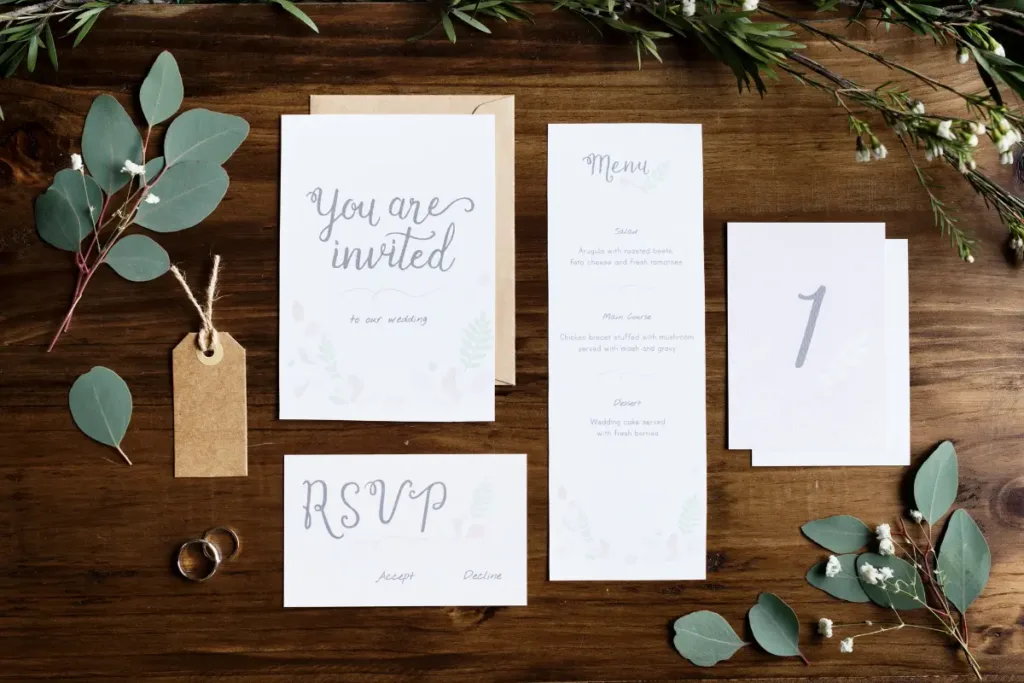
Understanding how to manage a-list and b-list guests for a wedding gives couples flexibility without creating awkward situations. This approach is common and practical when handled thoughtfully, especially when guest counts need to stay within a comfortable range.
The A-list includes guests you want present regardless of space limits. The B-list includes guests you would love to invite if attendance allows. This system only works when invitations are sent in phases and responses are tracked closely, so you know exactly how many spots are available before inviting additional guests. Without clear timelines and organized RSVP tracking, couples risk over-inviting or making last-minute changes that affect seating and planning.
A respectful approach includes:
- Sending invitations to A-list guests first
- Setting a clear RSVP deadline and communicating it clearly
- Waiting for confirmed responses before extending additional invitations
- Never referencing guest tiers publicly
When handled quietly and with good tracking, this method allows couples to adjust their guest list smoothly without discomfort or confusion.
RSVP Tracking Is the Backbone of Guest List Planning
Effective RSVP tracking is essential for an organized wedding. Verbal confirmations, assumptions, and delayed responses often create confusion that impacts seating and catering.
Tracking RSVPs in one place allows couples to see real-time numbers and follow up as needed. This clarity reduces last-minute decisions and layout changes.
Strong RSVP tracking includes:
- One primary system for responses
- A firm response deadline
- Polite follow-ups for non-responses
- Immediate updates as responses come in
Clear tracking supports smoother planning across every stage.
Guest List Management and Seating Flow
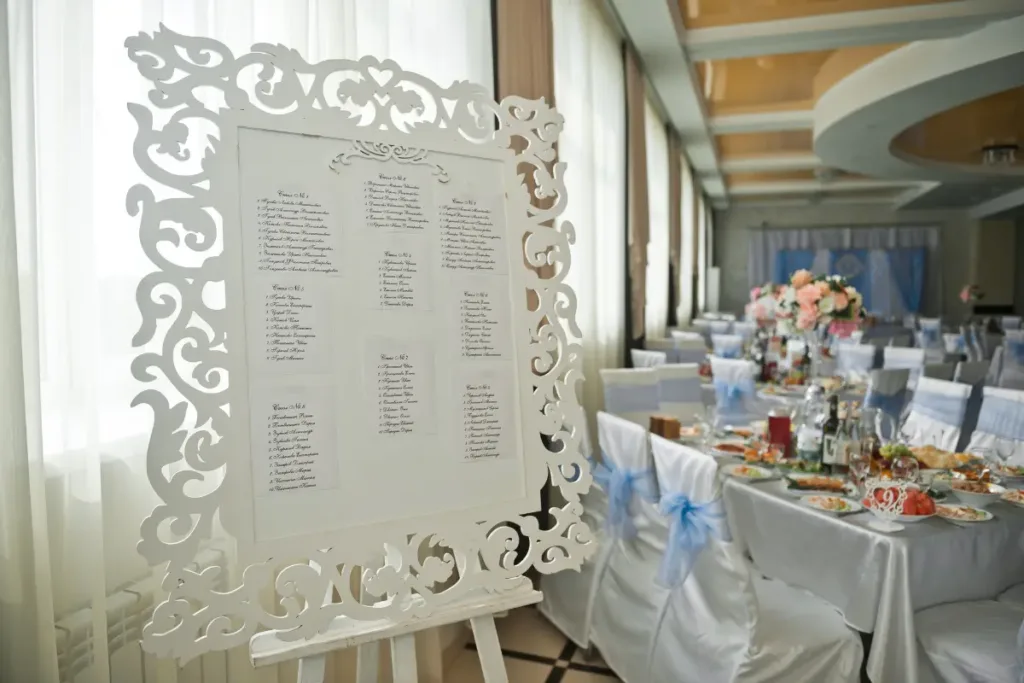
Good guest list management makes seating feel natural instead of forced. When the guest list is organized before seating begins, tables come together more easily and guests feel comfortable from the moment they sit down.
Grouping guests thoughtfully helps conversation flow without effort. For example, seating immediate family and close relatives at tables near the dance floor allows them to stay engaged throughout the night, while friend groups who know each other can be seated together toward the center of the room, where energy is highest. Coworkers or mixed groups often do better at tables slightly farther from the main activity, where conversation can happen without feeling overshadowed.
Planning seating before finalizing guest numbers often leads to last-minute reshuffling. When the list is confirmed first, seating decisions become logical instead of stressful.
As you plan seating, consider:
- Who already knows each other and feels comfortable together
- Which groups should stay intact to avoid isolating guests
- Where balance is needed, so no table feels disconnected
When guest list organization leads the process, seating supports the flow of the room, and the experience feels intentional rather than improvised.
Common Guest List Mistakes That Affect Guest Experience
Guest list challenges usually come from avoiding decisions or delaying clarity. These mistakes often seem small but have noticeable effects on comfort and flow.
Common issues include:
- Inviting more guests than the space supports comfortably often leads to tight table layouts, limited walking space, and crowded dining areas. Even if a venue can technically hold the number of guests invited, exceeding a comfortable layout makes it harder for guests to move around, socialize, and enjoy the event without feeling cramped.
- Allowing inconsistent plus-one rules creates confusion and frustration. When some guests are given plus-ones and others are not, without a clear reason, it can feel unfair and lead to uncomfortable conversations. Inconsistent rules also make it harder to track attendance and finalize seating arrangements accurately.
- Waiting too long to finalize numbers delays critical planning decisions. Seating charts, catering counts, and layout planning all depend on knowing how many guests will attend. When numbers remain uncertain too close to the event date, couples are forced into rushed decisions that affect flow and guest comfort.
- Making last-minute additions that disrupt seating often results in awkward table adjustments. Adding guests late can break up well-planned seating groups, isolate guests who don’t know anyone at their table, or overcrowd spaces that were previously balanced.
Addressing these early keeps planning calm and controlled.
How the Right Venue Supports Guest List Planning
Organizing a wedding guest list becomes much easier when the venue is designed to support comfort, flow, and flexibility. The size of the space, how rooms are laid out, and which areas are dedicated to dining, dancing, or arrivals all affect how many guests can attend comfortably, not just how many fit on paper.
Venues like Imperial Event Venue are often a good match for couples who want to focus on guest experience while managing a larger guest list. With capacity for up to 400 guests and a layout built around reception flow, the space allows couples to organize their guest list without needing to push seating limits or compromise comfort.
Imperial Event Venue supports guest list planning through features such as:
- A spacious foyer that helps manage arrivals and cocktail hour without congestion
- A large ballroom that allows tables to be spaced comfortably, even with higher guest counts
- A dedicated dance floor and stage areas that keep energy centered while dining remains relaxed
- Separate areas, including a private bridal suite, that help reduce crowding during key moments
When a venue is structured with defined spaces and clear flow, couples can finalize their guest list with more confidence. Instead of asking how many guests they can squeeze in, the focus shifts to how many guests can be hosted comfortably, and that distinction makes a noticeable difference in the overall experience.
If you’re at the stage of refining your guest list, booking a tour at Imperial Event Venue can help you see how layout, spacing, and flow work together in a real setting—and make those guest list decisions feel much clearer.

Bringing the Guest List Together
Knowing how to organize a wedding guest list allows couples to create an experience that feels intentional and well-paced. A thoughtful guest list supports comfort, connection, and energy throughout the celebration. When guest list decisions are clear, the wedding feels less stressful and far more enjoyable for everyone involved.
Frequently Asked Questions: Wedding Guest List Planning
How early should couples finalize their guest list?
Guest lists should be finalized before booking a venue. Guest count directly affects layout, comfort, and planning decisions, so early clarity helps everything else move smoothly.
How do you handle guests who don’t RSVP?
Follow up politely after the RSVP deadline. Clear communication prevents assumptions and last-minute confusion.
Is it acceptable to limit plus-ones?
Yes. Limiting plus-ones is common, especially when space is limited. Consistency and clear wording help avoid misunderstandings.
How does the guest list affect the wedding timeline?
Guest count impacts seating, service timing, and pacing. A balanced list supports a smoother flow throughout the event.
Can guest lists change after invitations are sent?
Minor adjustments are possible, but large changes often create challenges. Finalizing early reduces complications.