A wedding aesthetic is the visual and emotional thread that ties your entire wedding together. To choose the right one, couples need to think beyond décor trends and consider how guests will experience the space as soon as they arrive. This includes the mood created by lighting, how open or intimate the room feels, how easily guests can move through the space, and the overall tone set before the celebration even begins.
For example, a bright, open room with soft lighting creates a relaxed, social atmosphere, while darker tones and focused lighting create a more dramatic and intimate setting. These feelings affect how guests interact, how comfortable they feel, and how the event unfolds over time. Your wedding aesthetic influences the venue you choose, the lighting required to support that mood, the layout that works best for guest flow, and even how formal or casual the celebration feels. When the aesthetic is clear, decisions feel connected and intentional. When it isn’t, planning often becomes scattered and reactive.
This guide explains how to choose a wedding aesthetic that feels cohesive, realistic for your space, and grounded in the experience you want your guests to have, not just what looks inspiring on a screen.
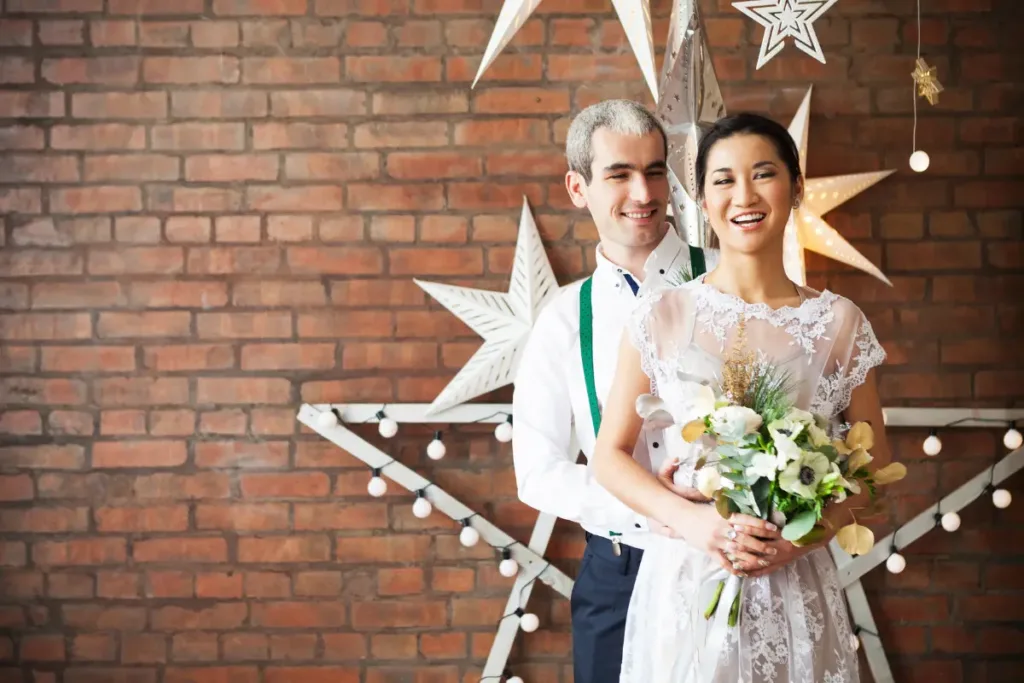
What a Wedding Aesthetic Actually Includes
Many couples think a wedding aesthetic is just a color palette or décor style. In reality, it’s much broader. A wedding aesthetic is the combined result of space, lighting, materials, proportions, and movement within the venue. It’s what makes the event feel polished rather than pieced together.
A strong aesthetic shows up in subtle ways. Guests might not consciously notice every detail, but they feel the difference when everything works together. The room feels balanced. Lighting feels intentional. The space feels designed for the experience taking place.
A wedding aesthetic influences:
- How guests perceive the space when they walk in
- How formal or relaxed the atmosphere feels
- How décor interacts with the venue instead of competing with it
- How comfortable the event feels as it unfolds
When couples define their aesthetic early, they avoid over-decorating and last-minute changes.
Why Wedding Aesthetics Feel Confusing at First
Wedding aesthetics often feel overwhelming because inspiration is usually gathered without context. Couples save images from different weddings, venues, and seasons without considering how those elements work together in one physical space.
A soft, outdoor-inspired look may not translate well indoors. A dramatic, candlelit style may feel flat in a bright room without lighting control. The confusion doesn’t come from a lack of taste; it comes from failing to match inspiration to reality.
The key shift is asking better questions:
- Does this aesthetic work in my venue?
- Does it support my guest count and layout?
- Does it rely on lighting or architecture I actually have?
Once inspiration is filtered through space and function, choices become clearer.
Different Wedding Aesthetics and How They Behave in Real Spaces
There are many different wedding aesthetics, but each one interacts with space in its own way. A style that feels balanced and intentional in one venue can feel off or unfinished in another. That’s why understanding how an aesthetic functions in real life, not just in photos, is essential before committing to a design direction.
Every venue has fixed elements that affect how an aesthetic shows up. Ceiling height, wall color, room proportions, and lighting options all influence how colors read, how décor fills the space, and how intimate or open the room feels. Ignoring these factors often leads to designs that feel either overwhelming or underwhelming once everything is set up.
Most wedding aesthetics are shaped by a few core spatial factors:
- Color depth and contrast, which determine how bold or subtle the design feels in a given room
- Lighting needs, including how much control is required to create the desired mood
- Texture and materials, which add warmth or structure depending on the space
- Visual structure, meaning how much design support the room needs to feel complete
Choosing a wedding aesthetic isn’t just about personal preference. It’s about selecting a style that works with the space where your celebration takes place, so the design feels cohesive, comfortable, and intentional from the moment guests walk in.
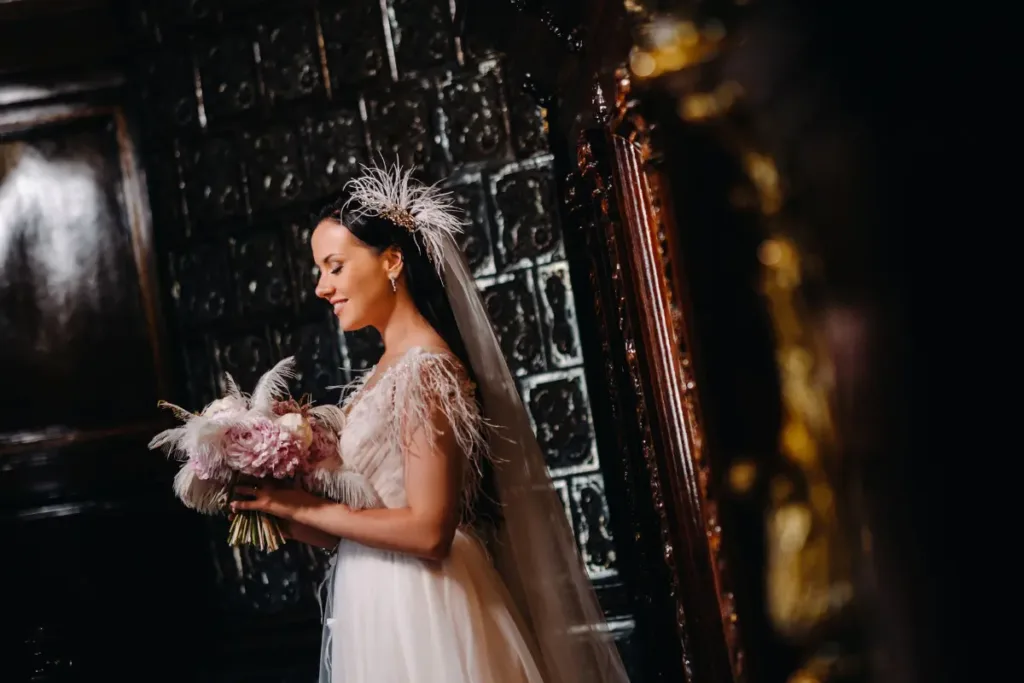
Exploring Different Wedding Aesthetics
Before settling on a design direction, it helps to understand how different wedding aesthetics create different experiences. Each style carries its own mood, level of formality, and spatial needs. Some aesthetics feel light and refined, others feel structured and bold, and some rely on atmosphere and contrast to make an impact.
The following wedding aesthetics can be a starting point for couples, each offering a distinct way to shape how the wedding feels from start to finish.
Old Money Wedding Aesthetic: Subtle, Balanced, and Timeless
The old money wedding aesthetic is often misunderstood. It isn’t about luxury displays or heavy decoration. It’s about proportion, restraint, and quality. This aesthetic relies on classic elements that feel effortless rather than styled.
In practice, this means décor is minimal because the venue and layout do the work. Tables are clean. Florals are refined, not oversized. Lighting is even and flattering rather than dramatic.
This aesthetic typically works best in venues with:
- Neutral tones
- Symmetry and architectural detail
- Clean lines and balanced proportions
When paired with the right space, the result feels calm, elegant, and confident without trying to impress.
Modern Wedding Aesthetic: Intentional and Structured
A modern wedding aesthetic focuses on clarity. Every design choice serves a purpose, and unnecessary elements are removed. This style feels clean, confident, and controlled.
Modern weddings rely heavily on space and lighting. Negative space is just as important as décor. Tables are often arranged with symmetry, and lighting is used to create contrast rather than warmth.
This aesthetic often includes:
- Neutral or monochrome palettes
- Defined table layouts
- Lighting that highlights structure
- Minimal décor with strong shapes
Modern styles work best in venues that allow lighting adjustments and flexible layouts.
Gothic Wedding Aesthetic: Depth, Contrast, and Atmosphere
A gothic wedding aesthetic creates emotion through mood rather than brightness. This style uses contrast, shadow, and texture to create a sense of drama that feels immersive.
Gothic aesthetics are not about darkness for shock value. They’re about richness and atmosphere. Candlelight, deep colors, and layered textures create an environment that feels intimate even in a larger room.
This aesthetic works best in venues that:
- Allow lighting control
- Have ceiling height to support dramatic visuals
- Can handle darker palettes without feeling closed-in
Without the right space, this style can feel heavy. With the right space, it feels striking.
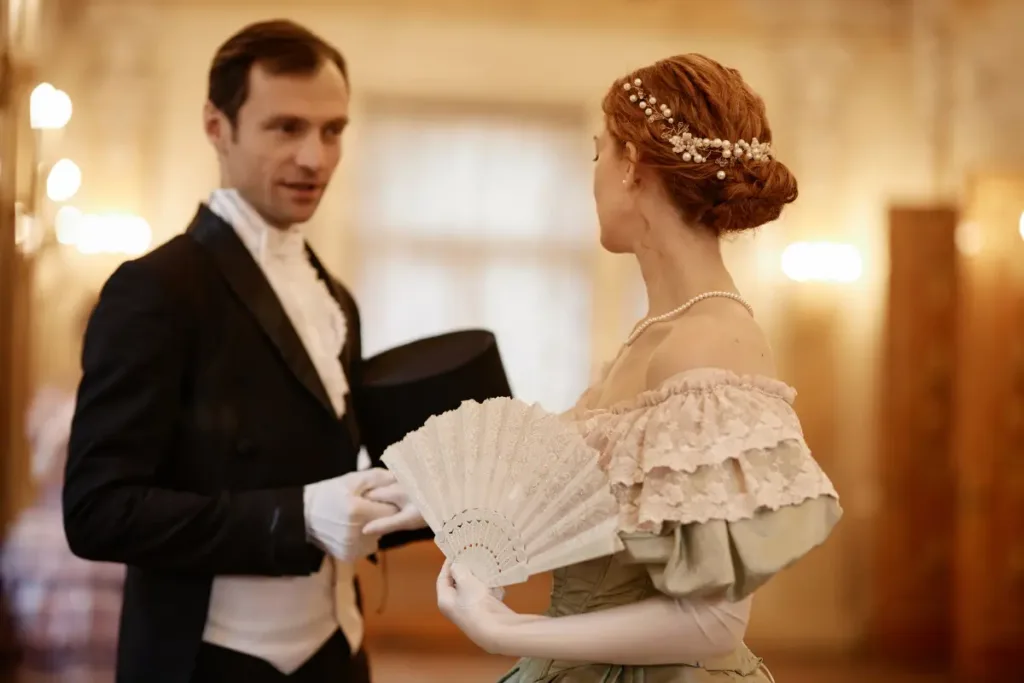
How Wedding Aesthetics Should Guide Venue Choice
Your venue should support your aesthetic, not work against it. Too often, couples choose décor first and then try to make it fit into a space that wasn’t designed for that style. When the venue and aesthetic don’t align, couples end up compensating with extra décor, lighting rentals, or layout adjustments that could have been avoided.
When evaluating aesthetic wedding venues, it’s important to look beyond surface beauty and focus on how the space behaves visually and functionally. Elements like ceiling height, wall finishes, and lighting control determine how colors appear, how dramatic or soft the room feels, and how flexible the design can be.
Key factors to consider include:
- Ceiling height and room proportions, which affect how open or intimate the space feels
- Wall color and finishes, which influence how palettes and textures read
- Lighting flexibility, especially for creating mood and contrast
- Layout flow and how guests move through the space
A venue with neutral architecture and adaptable lighting gives couples far more creative freedom.
Why Flexible Venues Make Aesthetic Planning Easier
Some venues naturally support multiple wedding aesthetics because they were designed for receptions rather than fixed themes. Indoor venues with adjustable lighting, open layouts, and clearly defined areas give couples more control over how the event feels, regardless of the style they choose. This flexibility reduces the need to over-design the space just to make an aesthetic work.
Venues like Imperial take this a step further by pairing flexible design with an all-inclusive setup. In addition to a large ballroom with a neutral architectural base and adaptable lighting, the venue includes built-in elements such as staging, a dedicated dance floor, arrival and cocktail spaces, and a private bridal suite. Having these components already in place allows couples to focus on aesthetic choices like lighting tone, table styling, and florals, rather than coordinating multiple rentals or adjusting layouts from scratch.
When a venue combines flexibility with all-inclusive features, aesthetic planning becomes more streamlined. Instead of compensating for limitations, couples can refine their wedding aesthetic with confidence, knowing the space already supports the experience they want to create.
How to Choose a Wedding Aesthetic Without Overloading the Design
One of the most common problems couples face is trying to combine too many styles. When everything is included, nothing stands out.
A clearer approach is to choose one dominant aesthetic and let supporting elements play a secondary role. This keeps the design cohesive and prevents visual clutter.
A practical way to narrow choices:
- Decide how you want guests to feel
- Choose one main aesthetic direction
- Use secondary details sparingly
This approach creates confidence and consistency.
Common Wedding Aesthetic Mistakes and Why They Happen
Aesthetic problems usually come from timing issues rather than bad taste.
- Mixing multiple aesthetics often happens when inspiration is gathered without filtering. The result feels disconnected.
- Choosing décor before the venue leads to compromises when the space doesn’t support the design.
- Ignoring lighting causes colors and textures to look different than expected.
- Following trends blindly creates designs that don’t fit the couple or the space.
Understanding these mistakes helps couples avoid them early.
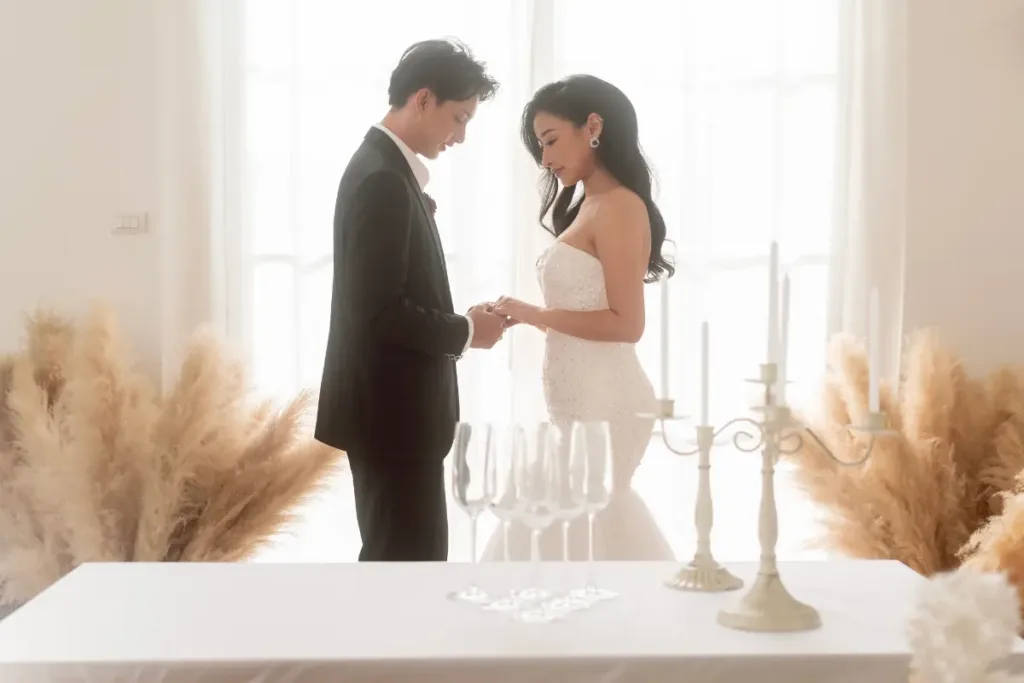
Creating a Cohesive Wedding Look That Feels Effortless
The right wedding aesthetic feels natural within the space hosting it. When the venue, layout, lighting, and design choices support one another, the celebration feels intentional without appearing staged or overdesigned. Instead of noticing individual décor pieces, guests experience the wedding as a whole—comfortable, balanced, and visually consistent from start to finish.
This is why choosing a space that can adapt to your aesthetic matters as much as the style itself. For couples still refining their vision, visiting a venue in person often brings clarity. Booking a tour at Imperial Event Venue can help you see how different aesthetics translate in a real setting and decide what feels right for your celebration.
Frequently Asked Questions: Wedding Aesthetic Planning
Can couples mix different wedding aesthetics?
Yes, but one style should clearly lead. Mixing works best when secondary elements support the main aesthetic instead of competing with it.
How early should a wedding aesthetic be chosen?
Ideally, before booking décor-focused vendors. Early clarity helps guide venue choice and layout decisions.
Does venue size affect wedding aesthetics?
Yes. Larger venues often need stronger visual structure, while smaller spaces rely more on intimacy and detail.
Can a neutral venue support bold aesthetics?
Yes. Neutral spaces often work best because they don’t fight strong design choices.
How important is lighting to a wedding aesthetic?
Lighting shapes mood more than décor. It affects color, depth, and how the space feels throughout the event.